


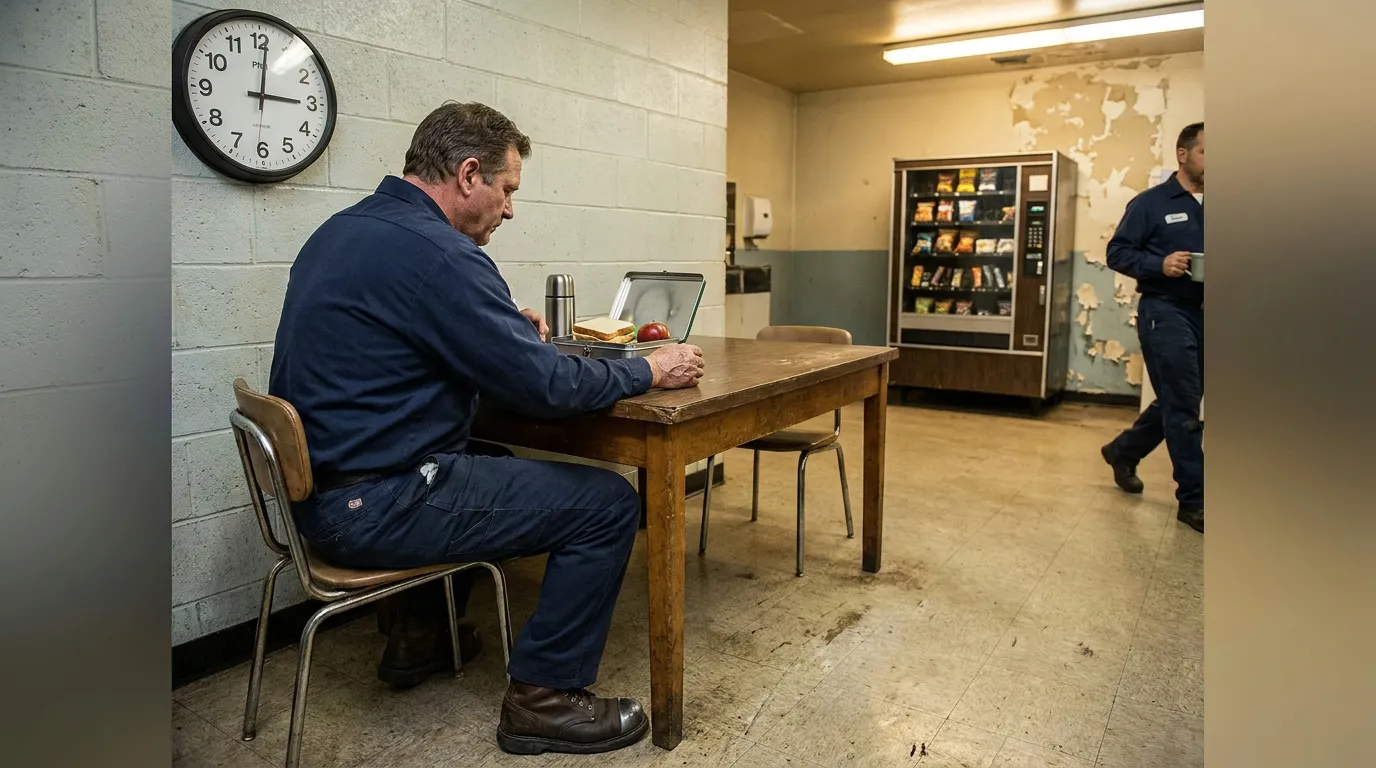
Understanding Meal Break Rights for Factory Workers in New York
Key Takeaways: Factory workers in New York are owed a full 60-minute midday meal break under Labor Law Section 162, more protection than the 30-minute break most other workers receive. Long shifts and overnight schedules can trigger additional break time, including a second mid-shift meal break or a 20-minute evening break for days starting before 11 a.m. and extending past 7 p.m. A break only counts if you are actually off duty, so off-the-clock work, donning and doffing gear, and skipped or shortened breaks may create valid wage claims. Workers can recover unpaid wages, interest, liquidated damages, and civil penalties that increase for repeat violations.
Yes, in most cases, factory workers in New York are owed a full 60-minute meal break, and long shifts can trigger even more break time. New York does not require rest breaks for adults, but it does require meal breaks, and factory employees get more protection than others. Under Labor Law Section 162, factory workers must receive at least 60 minutes for the noon day meal, while mercantile and most other establishments get at least 30 minutes. If your employer trims that time, skips it, or makes you work off the clock through it, you may have a valid wage claim.
If you work long shifts in a plant or warehouse and your break time keeps disappearing, you do not have to sort this out alone. The team at The Lore Law Firm helps hourly workers across New York understand their rights. Reach them at 866-559-0400 or through a free and confidential case review.
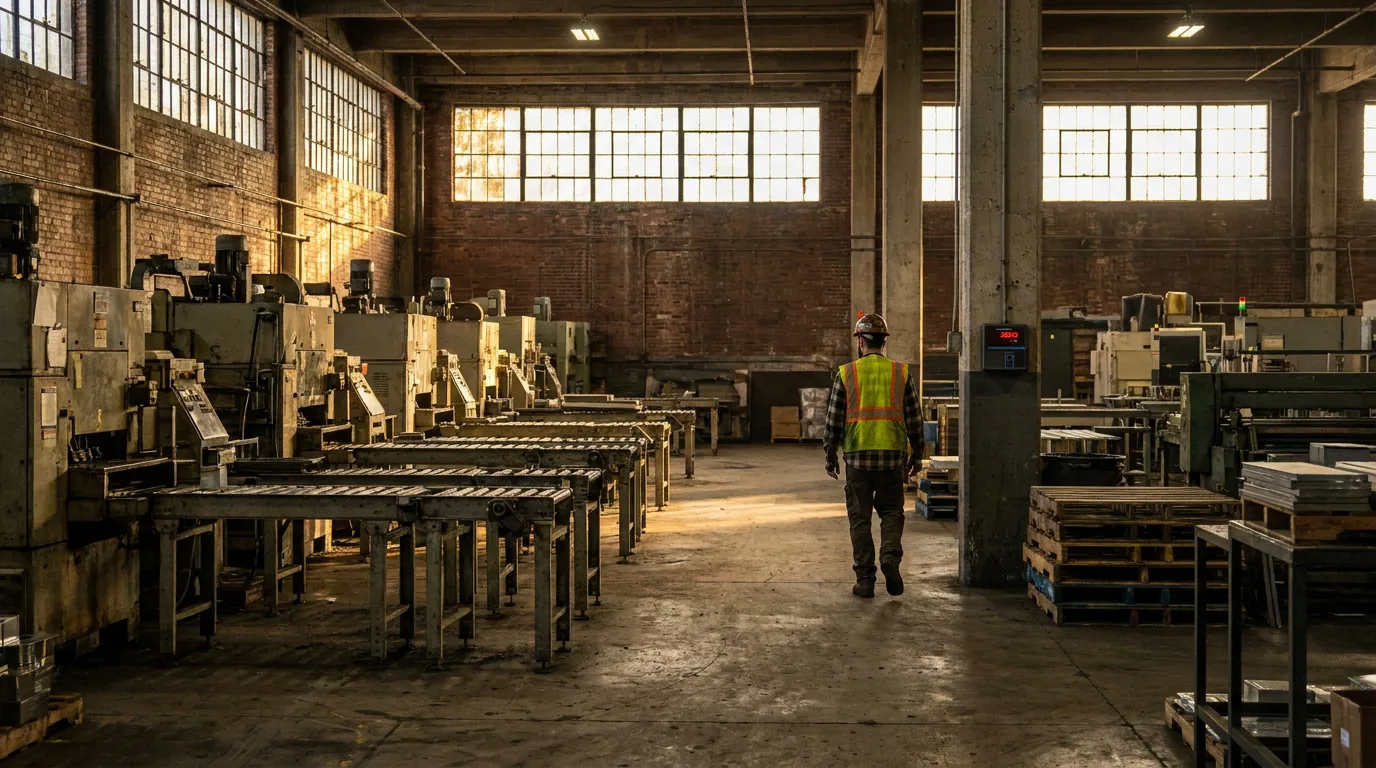
How New York Meal Break Law Treats Factory Workers
New York sets meal periods based on your industry and shift, and factory work sits at the top for protection. Labor Law Section 162 requires factory employees to receive a one-hour break between 11 a.m. and 2 p.m., while mercantile employees and all other covered employees are entitled to 30 minutes during the same window. That extra half hour is a common area where employers cut corners.
The 60-Minute Factory Meal Break
The 60-minute rule is the default for factory employees during the midday window. In limited cases, the Labor Commissioner can issue a written permit allowing a shorter meal period. Factory workers are entitled to a 60-minute lunch break between 11:00 a.m. and 2:00 p.m. and a 60-minute meal break at the time midway between the beginning and end of the shift for all shifts of more than six hours starting between 1:00 p.m. and 6:00 a.m. You can read more about these meal and rest period guidance.
💡 Pro Tip: If your timecard shows a 30-minute lunch but you work in a factory setting, that alone may signal a problem. Save copies of your schedules and pay records.
Extra Breaks for Long and Overnight Shifts
Long shifts and overnight schedules can add a second meal break. If an employee works a shift of more than six hours that starts between 1 p.m. and 6 a.m., the employee is entitled to a meal break in the middle of the shift; factory employees get one hour, while mercantile and other covered employees get 45 minutes. All workers are entitled to an additional 20-minute meal break between 5:00 p.m. and 7:00 p.m. for workdays that extend from before 11:00 a.m. to after 7:00 p.m.
This is why manufacturing workers often get more break time than retail workers. These rules depend on your exact hours.
How Many Breaks in a 10 Hour Shift in New York
For a factory worker on a 10-hour day shift, New York generally requires at least one 60-minute meal break, with a possible extra 20-minute break for shifts that start before 11 a.m. and run past 7 p.m. The answer depends on when your shift starts and ends.
Here is a simplified look at how the rules stack up for a factory worker:
|
Shift Type |
Likely Meal Break(s) |
|---|---|
|
Day shift covering 11 a.m., 2 p.m. |
One 60-minute midday break |
|
Day shift starting before 11 a.m. and running past 7 p.m. |
60-minute break plus a 20-minute evening break |
|
Long shift over 6 hours starting 1 p.m., 6 a.m. |
60-minute mid-shift break |
This table is a general guide, not legal advice. Your real break rights turn on your specific hours and job duties.
💡 Pro Tip: Write down your actual start and stop times each day, including any minutes worked during a “break.” A simple phone note with dates can become strong evidence.
When Off-the-Clock Work Cuts Into Your Breaks
A break on paper is not a real break if you are still working, and that is where off the clock factory work becomes a wage problem. Many workers clock out for lunch but keep monitoring machines, answering calls, or staying at their stations. When that happens, the time may still count as paid work, even if the employer labels it as a meal period.
Off-the-clock issues often overlap with meal break violations. If you are pressured to skip or shorten your unpaid break so production keeps moving, both your break rights and wage rights may be affected. To understand how these rules fit together, review this overview of New York labor laws for workers.
Donning, Doffing, and Pre-Shift Duties
Time spent putting on and taking off required gear, plus mandatory pre-shift and post-shift tasks, can be compensable work. In factories and warehouses, this often includes safety equipment, sanitation gear, or clocking through security lines. When these tasks are required and mainly benefit the employer, the time generally should be paid.
Common examples include:
-
Putting on or removing employer-required protective or sanitary gear
-
Attending mandatory pre-shift briefings or line-up meetings
-
Staying at your post through part or all of an unpaid meal break
-
Finishing cleanup, paperwork, or handoffs after clocking out
If any of these sound familiar, learning your options from a firm focused on off the clock factory work can help you decide what to do next.
What You Can Recover for Break and Wage Violations
New York law provides real remedies when employers break these rules, and penalties can grow for repeat conduct. The state can enforce meal period rights directly. If the Commissioner determines an employer violated Section 162, the Commissioner must issue an order directing compliance.
Penalties rise when violations continue. For meal-period denials, the order can direct a civil penalty up to 1,000 dollars for a first violation, 2,000 dollars for a second, and 3,000 dollars for a third or subsequent violation. These penalties are set out in Labor Law Section 218, and they are separate from a private civil lawsuit for unpaid wages.
For unpaid work time, the money can add up. The statute allows recovery of interest for delayed wage payments and, for repeat violations, liquidated damages equal to 100 percent of the total wages found due. A wage claim may also include other costs. An employee not given required pay statements under Section 195(3) may recover 250 dollars per work day, capped at 5,000 dollars, plus costs and reasonable attorney’s fees.
💡 Pro Tip: Administrative complaints to a state agency and civil lawsuits are different paths with different deadlines. Acting early protects both options.
How to Protect Your Rights and Build a Strong Claim
The strongest claims usually rest on good records and quick action. Because break and pay disputes often come down to your word against the employer’s, contemporaneous evidence carries significant weight. Save timecards, schedules, pay statements, text messages, and the names of coworkers who saw the same problems.
Warehouse employees have an added tool. If a warehouse employee believes meeting a quota caused a violation of their right to a meal or rest period or bathroom access, they can request a written description of each applicable quota and their own work-speed data. The employer must comply within 14 calendar days and provide the information in the employee’s primary language.
💡 Pro Tip: If a quota system pushes you to skip a warehouse meal break NY law requires, request your quota and work-speed data in writing and keep a dated copy of your request.
Frequently Asked Questions
-
Do factory workers really get a longer meal break than other workers?
Yes. Factory employees are usually entitled to a full 60-minute midday meal break, while most other covered workers receive 30 minutes under Labor Law Section 162.
-
How many breaks in a 10 hour shift in New York am I owed?
It depends on your hours. A factory worker whose day covers the 11 a.m. to 2 p.m. window is owed a 60-minute meal break, and a shift starting before 11 a.m. and running past 7 p.m. can add a 20-minute evening break.
-
Does working through my unpaid lunch count as paid time?
In many cases, yes. If you keep working during an unpaid meal break, that time may be compensable because your employer is still benefiting from your labor.
-
Are rest breaks required in New York?
No. New York requires meal breaks but does not require short rest breaks for adult workers. However, if a rest break is offered and lasts 20 minutes or less, it is generally treated as paid time.
-
How long do I have to file a claim?
Deadlines vary by claim type and the path you choose. Civil wage lawsuits and administrative complaints have different time limits, so act promptly.
Getting Help With Your New York Meal Break Claim
Factory and warehouse workers in New York generally have strong meal break protections, including that 60-minute midday break and possible extra breaks on long shifts, but those rights only help when enforced. If your employer shortens your breaks, makes you work through them, or refuses to pay for pre-shift and post-shift duties, you may be owed back wages and additional damages.
You do not have to figure out the law by yourself. Reach out to The Lore Law Firm for a confidential review, call 866-559-0400 to speak with the team, or start your free case evaluation today to learn whether your break and off-the-clock time was handled correctly.

Michael Lore
Founding Attorney
Michael Lore is the founder of The Lore Law Firm with over 25 years of experience in labor and employment law. He handles cases ranging from unpaid overtime and class actions to executive contracts and personal injury matters in courts nationwide.
Read Full Bio