



Pre-Shift and Post-Shift Time: Why Documentation Wins Wage Cases
Key Takeaways: To document unpaid pre-shift and post-shift work in New York, it is best to create contemporaneous records the moment work happens, such as time-stamped photos, a personal daily log of actual start and stop times, directive messages, witness names, and copies of schedules. While helpful, it is not absolutely necessary for you to have kept such records – as it can often be proven by other means and it is the employer’s legal obligation to accurately track all hours worked. Pre-shift and post-shift tasks like donning required gear, attending mandatory briefings, or starting equipment may count as compensable “hours worked” when the employer controls the activity and it benefits the company. Because New York employers must keep accurate payroll records for six years, missing or inaccurate records can shift the proof burden in your favor.
If you are not getting paid for work you do before or after your scheduled shift, careful documentation is your strongest tool. In New York, time spent on tasks that benefit your employer, like donning and doffing required gear, attending mandatory briefings, or starting equipment, may count as compensable “hours worked.” The challenge can often be in proving it. Workers who keep detailed, contemporaneous records build the most credible claims.
If you suspect your employer is shorting you for pre-shift or post-shift tasks, the team at The Lore Law Firm helps hourly and non-exempt workers across New York understand their rights. Call 866-559-0400 or request a free case evaluation to discuss your situation.
What Counts as Compensable Off-the-Clock Work
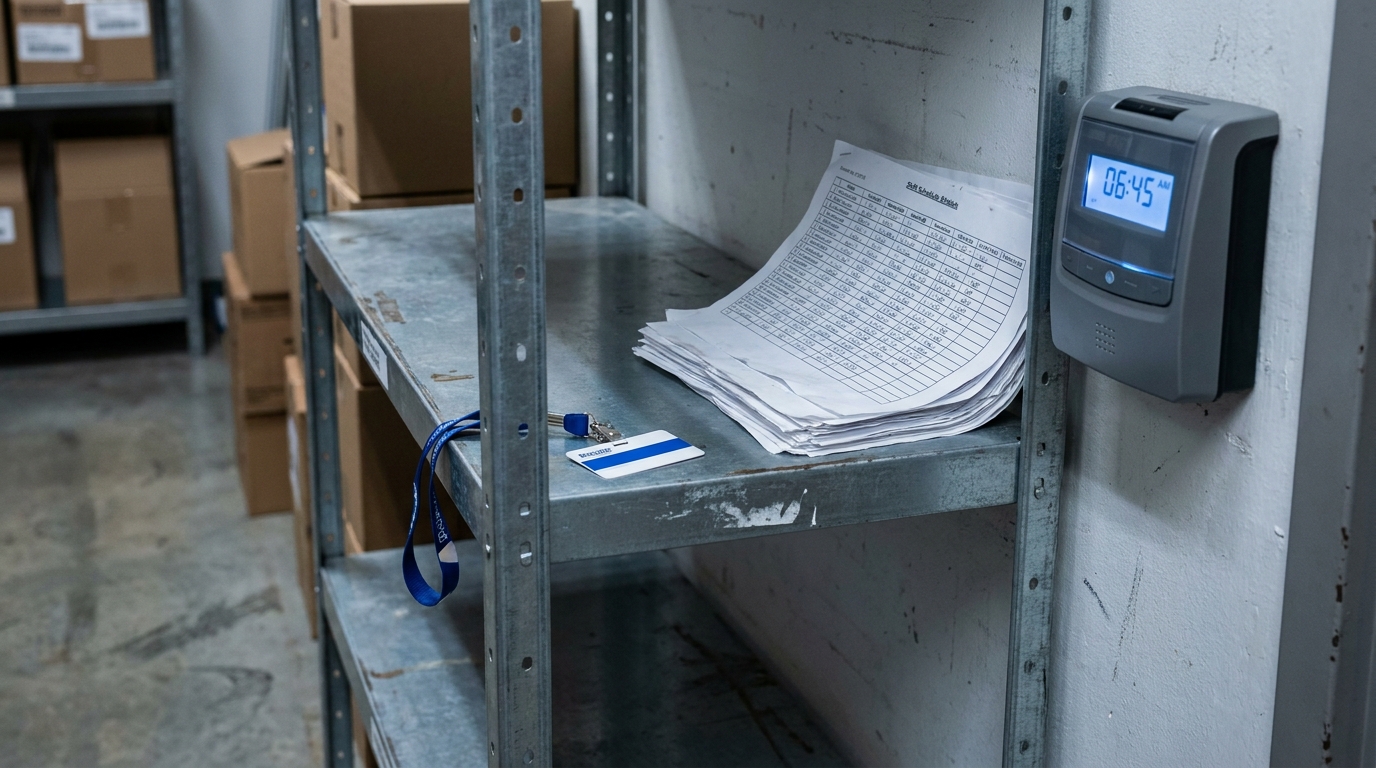
Not all minutes before and after your shift are automatically paid, but many are. Time can be compensable when your employer controls it and it mainly benefits the company. Putting on safety equipment a job requires, sitting through a required handoff meeting, or logging into systems before clocking in are common examples of off the clock donning doffing situations that may qualify. Whether a task is compensable often turns on whether it is “integral and indispensable” to your principal duties.
New York wage law sets the floor for pay. Under New York Labor Law § 652, covered employers must pay at least the applicable minimum wage for each hour worked. When pre-shift or post-shift activities are compensable and go unpaid, the result can be a minimum wage or overtime shortfall.
Voluntariness and “training time” are areas where employers often push back. Defense counsel may argue that a meeting was optional or that gear changing was not job-related. Courts consider whether the activity was required, controlled by the employer, and integral to your main duties.
💡 Pro Tip: Write down whether a task was required or “strongly encouraged,” who told you to do it, and where it happened. Showing employer control is often the heart of an off the clock work proof argument.
Building Strong Pre-Shift Work Evidence in NY
The best evidence is created close in time to when the work happens, not months later. Contemporaneous records are harder to dispute and tend to look more reliable to a judge or agency.
Helpful forms of pre shift work evidence NY workers can gather include:
-
Time-stamped photos or videos showing when you arrived and started gear changes
-
A personal daily log noting clock-in, actual start, actual stop, and clock-out times
-
Text messages, emails, or app notifications directing you to arrive early or stay late
-
Names of coworkers who saw the same routine and could serve as witnesses
-
Copies of schedules, briefing notes, or sign-in sheets
Your own donning doffing documentation can fill gaps your employer leaves behind. Employers are required to keep accurate payroll records, and when they fail to do so, that failure can help you. Strong personal records let you reconstruct what really happened during pre shift doffing records that the company never captured.
💡 Pro Tip: Back up your notes somewhere outside of work, like a personal phone or email. Records stored only on company devices can become hard to access if your job ends.
Employer Recordkeeping Duties and How They Help You
New York places the recordkeeping burden squarely on employers, which is good news for workers. Under New York Labor Law § 195(4), covered employers must establish, maintain, and preserve true and accurate payroll records for at least six years, including hours worked, pay rates, gross wages, deductions, and net wages.
This six-year window matters. You may be able to request payroll documents that reveal patterns of underpayment over a long period. If the company’s records leave out your real start and stop times, the gap between what they recorded and what you actually worked can become powerful unpaid wages evidence New York claims rely on.
When employer records are missing or wrong, the proof burden can shift in the employee’s favor. If an employer did not track all compensable time, courts may allow workers to fill that gap with their own reasonable estimates and supporting evidence. This is why your time clock violations New York notes and logs are so valuable. You can learn more about how these issues play out by reviewing the resources covering pre shift work evidence NY and similar wage claims.
💡 Pro Tip: If you ever see your timecard, photograph it. Comparing the official record to your personal log can quickly expose discrepancies.
How Many Breaks in a 10 Hour Shift in New York?
Knowing your break rights helps you separate lawful unpaid breaks from unpaid work. New York does not require paid rest breaks for most adult workers, but it does require meal periods under Labor Law § 162. A non-factory employee who works a shift longer than six hours that extends over the noonday meal period (11 a.m. to 2 p.m.) is generally entitled to at least a 30-minute unpaid meal period, while shifts starting between 1 p.m. and 6 a.m., factory work, or unusually long workdays can trigger different meal break rules.
Meal periods, not short rest breaks, are the main legal protection, and the exact meal period depends on when your shift falls and your industry. You can review the state’s meal and rest period rules for the details that fit your schedule.
The break question matters because employers sometimes blur the line between breaks and work. If you are required to keep working, answer calls, or stay in gear during an unpaid “break,” that time may actually be compensable because you are not fully relieved of duty.
|
Shift Length |
General Meal Period Rule in NY |
|---|---|
|
More than 6 hours (day) |
At least 30 minutes unpaid |
|
Shift spanning 11 a.m. to 2 p.m. |
Midday meal period applies |
This table is a simplified summary, and exact rules depend on your industry and shift timing.
Filing a Wage Claim and Understanding Deadlines
You generally have a limited window to act, so timing matters. New York’s wage claim process through the Department of Labor uses specific forms, and the agency generally will not accept claims for wages earned more than three years before you file. You can start the process or read about covered claims on the state page for filing an unpaid wage claim.
A government administrative claim with the Department of Labor is not the same as a civil lawsuit. Civil wage claims under the New York Labor Law generally have a six-year statute of limitations, longer than both the agency’s three-year intake limit and the federal FLSA’s two-year deadline (three years for willful violations).
Damages can be significant when violations are proven. Under New York Labor Law § 198, a prevailing employee may recover the full underpayment plus liquidated damages equal to 100% of the wages due, and an employer can avoid those extra damages only by proving a good-faith basis to believe its pay practices complied with the law. Because that good-faith burden sits with the employer, strong donning doffing documentation on your side can be decisive.
💡 Pro Tip: Do not wait to gather evidence. The sooner you preserve wage claim records NY agencies and courts accept, the stronger your position if a deadline approaches.
Why Industry Matters
Your job sector can change what records exist and how you prove your case. Warehouse, manufacturing, healthcare, hospitality, and public works settings each have different gear and briefing routines.
Common Mistakes Workers Make
Small documentation errors can weaken an otherwise strong claim. Relying on memory, deleting old messages, or assuming a manager’s verbal promise is enough are frequent pitfalls. Consistent, dated records reduce these risks.
When to Get Legal Guidance
You do not need to prove your entire case before reaching out. A worker who senses a pattern of off the clock work proof issues can benefit from an early review. You can also browse practical articles on New York wage theft evidence to better understand your options.
Frequently Asked Questions
-
Does putting on safety gear before my shift count as paid time?
It often can, depending on the facts. When the gear is required and changing into it is integral to your job, that time may be compensable. Courts consider whether the employer required and controlled the activity.
-
What if my employer never tracked my pre-shift work?
Missing employer records can help your claim. When an employer fails to keep accurate records, courts may let you use reasonable estimates supported by your own logs and witnesses to fill the gap.
-
How long do I have to file an unpaid wage claim in New York?
The state Department of Labor generally accepts claims only for wages earned within the past three years. Civil lawsuits under the New York Labor Law often allow a six-year look-back, so acting promptly is wise.
-
Are rest breaks during a 10-hour shift required to be paid?
New York mainly requires meal periods, not short paid rest breaks, for most adult workers. If you must keep working during an unpaid meal break, that time may still be compensable.
-
What records should I start keeping today?
Begin a daily log of your real start and stop times, plus photos and messages. This kind of donning doffing documentation creates a contemporaneous trail that is hard to dispute later.
Protecting Your Pay Starts With Good Records
Documenting unpaid pre-shift and post-shift work is the single most practical step you can take to protect your wages. New York law requires employers to keep accurate payroll records, pay at least minimum wage for hours worked, and provide proper meal periods, and it allows real damages when those duties are ignored. By keeping your own consistent records, you give yourself credible unpaid wages evidence New York decision-makers can rely on.
If you believe you are owed pay for off-the-clock tasks, do not wait to protect your rights. Reach out to The Lore Law Firm by calling 866-559-0400 or by completing a confidential case review so the team can review your situation and explain your options.

Michael Lore
Founding Attorney
Michael Lore is the founder of The Lore Law Firm with over 25 years of experience in labor and employment law. He handles cases ranging from unpaid overtime and class actions to executive contracts and personal injury matters in courts nationwide.
Read Full Bio