


If your employer requires you to put on protective gear, uniforms, or safety equipment before your shift and take it off afterward, you may be owed wages for that time. Under both federal and California law, donning and doffing can be compensable work, with California's labor laws often providing broader protections than the federal Fair Labor Standards Act (FLSA). For workers in manufacturing, warehousing, healthcare, and law enforcement, unpaid donning and doffing time can add up to significant lost wages, overtime, and undercalculated benefits like paid sick leave. Understanding your off the clock pay rights is the first step toward recovering what you are owed.
If you believe your employer is not paying you for required pre-shift or post-shift activities, The Lore Law Firm may be able to help. Call 866-559-0400 or request a free case evaluation today.
What Does "Donning and Doffing" Mean Under the Law?
"Donning" refers to putting on work gear, uniforms, or protective equipment, while "doffing" means taking it off. These terms have become central to wage and hour litigation. When an employer mandates that workers wear particular clothing or equipment and controls when and where they change, the time spent may qualify as compensable "hours worked."
The legal question is whether donning and doffing is "integral and indispensable" to your principal work activity. Under the Portal-to-Portal Act, the U.S. Supreme Court in IBP, Inc. v. Alvarez held that donning and doffing integral protective gear is a "principal activity," making it compensable under the FLSA, along with associated post-donning and pre-doffing walking time and time spent waiting to doff gear. However, the Court held that time spent waiting to don the first piece of protective gear is a preliminary activity and is not compensable under the Portal-to-Portal Act. You can read the full Integrity Staffing decision for additional context on how the Court distinguishes between compensable and noncompensable pre-shift tasks.

Why California Law May Offer Broader Protections Than the FLSA
California law may impose broader compensability requirements than the federal FLSA. Activities that might not be compensable under federal law could still require payment under California labor law. California's IWC Wage Orders define "hours worked" as all time during which an employee is subject to the employer's control, a more employee-protective standard than the federal "integral and indispensable" test.
California's approach is reflected in provisions like California Labor Code § 1777.5, which primarily governs apprenticeship requirements on public works projects, requiring contractors to employ registered apprentices at a 1-to-5 ratio. It also includes a narrower provision requiring contractors to pay registered apprentices at the prevailing wage rate for time spent on mandatory preemployment testing, training, or examinations required as a condition of employment on a public works project, with an exception if the apprentice fails a required drug or alcohol test. You can review California Labor Code Division 2, Part 7 for additional statutory context.
💡 Pro Tip: Keep a personal log of minutes spent daily putting on and removing required gear. Even 15 to 20 minutes per day can translate to several hours of unpaid wages weekly, potentially pushing you past the 40-hour overtime threshold.
How Courts Decide Whether Your Pre-Shift Work Compensation Is Required
Courts apply a multi-factor analysis to determine whether donning and doffing time is compensable. The Ninth Circuit has held that donning and doffing protective gear is integral and indispensable if the activity was (1) necessary to the principal work performed and (2) done for the employer's benefit.
The Three-Factor Test
Appellate courts have identified three key factors:
- Location where workers change: If you must change at the worksite rather than at home, this weighs in favor of compensability.
- Regulations requiring on-premises changing: If safety rules or employer policies mandate on-site suiting up, courts are more likely to find the time compensable.
- Type and specialization of gear: The more complex or protective the equipment, the stronger the argument that donning and doffing is integral to your job.
If workers lack a "meaningful option" to change at home, changing is more likely considered integral to the work and therefore compensable.
💡 Pro Tip: If your employer provides a locker room or changing area and expects you to use it, document that requirement. Policies mandating on-site changes strengthen claims that donning and doffing time should be paid.
Key Cases That Shape Donning and Doffing Law
Several landmark decisions illustrate how courts have ruled on these claims:
| Case | Key Holding | Relevance |
|---|---|---|
| IBP, Inc. v. Alvarez (2005) | Donning/doffing integral protective gear is a "principal activity" under the Portal-to-Portal Act; associated post-donning and pre-doffing walking time and waiting to doff gear are compensable, but waiting to don the first piece of gear was held not compensable. | Establishes federal baseline for gear-related claims. |
| Integrity Staffing Solutions v. Busk (2014) | Security screenings are not compensable because they are not integral and indispensable to the employees' principal activities. | Clarifies limits but did not alter donning/doffing precedent for protective gear. |
| Lemmon v. City of San Leandro (N.D. Cal. 2007) | Donning and doffing police uniforms and equipment is compensable under the FLSA. | Directly applies to California law enforcement workers. |
| Tyger v. Precision Drilling Corp. (3rd Cir. 2023) | Vacated summary judgment for employer, finding genuine disputes about compensability of donning/doffing time. | Shows courts continue to scrutinize employer arguments against compensation. |
In Lemmon v. City of San Leandro, the court found that police uniforms are integral and indispensable to policing because they trigger recognition of authority and are part of the continuum of force. The plaintiff claimed the process took 25 to 35 minutes per day, and the court granted partial summary judgment, ruling the time compensable. Workers in similar situations may benefit from reading about donning and doffing safety equipment claims to understand how these principles apply across industries.
💡 Pro Tip: The Integrity Staffing decision did not change the law regarding protective gear. If your employer claims that case means your gear time is unpaid, that interpretation may be incorrect.
How Unpaid Donning and Doffing Affects Your Benefits
Uncompensated donning and doffing time reduces both your paycheck and accrued benefits. Under California Labor Code § 246(b)(1), employees accrue paid sick leave at not less than one hour per every 30 hours worked. Because California treats all time under the employer's control as "hours worked," uncompensated donning and doffing time may result in undercalculated sick leave accrual, compounding employer liability beyond wage claims.
If you have been changing into required gear off the clock for months or years, you may have lost wages, overtime, and paid sick leave hours. A California wage and hour attorney can help evaluate the full scope of your potential claim.
💡 Pro Tip: When calculating potential damages, remember overtime. California requires overtime pay when weekly hours exceed 40 and when daily hours exceed 8. If adding unpaid donning and doffing time pushes you past either threshold, you may be entitled to overtime at one and a half times your regular rate.
What You Should Do If You Have an Unpaid Donning Doffing Claim
Taking early action to preserve evidence is critical. Courts rely on documentation, and your ability to prove your claim may depend on records you create now. Here are practical steps to protect your rights:
- Save copies of employer policies, handbooks, or memos requiring you to wear specific gear or change on-site.
- Keep a daily written log of minutes spent donning and doffing, including specific items you put on and take off.
- Photograph your gear and changing area if possible.
- Note the names of coworkers who follow the same routine, as they may serve as witnesses or join a collective action.
- Preserve communications where supervisors direct you to arrive early or stay late for gear changes.
Statutes of limitations apply to these claims. Under the FLSA, the general statute is two years, or three years for willful violations. California state wage claims generally have a three-year statute of limitations, and claims under California's Unfair Competition Law may allow a four-year window. An experienced pre-shift lawyer California workers trust can help you understand applicable deadlines.
When to Contact a Pre/Post Shift Lawyer About Your Claim
You should seek legal counsel as soon as you suspect your employer is not paying you for required donning and doffing time. The sooner you act, the more wages you may recover and the stronger your evidence will be. Both individual and collective or class action claims are possible depending on your circumstances.
Whether you work in a warehouse, hospital, factory, restaurant, or police department, the core question remains: is the time you spend putting on gear unpaid time that the law says should be compensated? If the activity is required, performed on-site, and benefits your employer, the answer under California law is often yes.
💡 Pro Tip: You do not need to confront your employer before consulting an attorney. Speaking with a lawyer first helps you understand your rights and develop a strategy before taking action that could affect your claim.
Frequently Asked Questions
1. Is all donning and doffing compensable in California?
Not automatically. Compensability depends on whether the activity is integral and indispensable to your principal work, whether you have a meaningful option to change at home, and the type of gear involved. California law generally applies a broader standard than federal law.
2. Can I file a donning and doffing claim if I already clocked in for my shift?
Yes. If your employer requires you to don gear before clocking in or doff gear after clocking out, you may have a claim for wages during those periods. The issue is whether you performed compensable work that was not recorded or paid.
3. Does the Integrity Staffing v. Busk decision mean my gear time is not compensable?
Not necessarily. That case addressed security screenings, not protective gear. The Court reaffirmed that donning and doffing protective gear remains compensable when integral to worker safety.
4. How much money could I recover in a donning and doffing lawsuit?
Recovery depends on the amount of unpaid time, duration of the violation, applicable overtime, and whether the employer's conduct was willful. Additional damages may include underpaid sick leave accrual, penalties, and interest.
5. Can I bring a claim on behalf of other workers at my job?
In many cases, yes. If multiple employees share the same donning and doffing requirements and are similarly unpaid, a collective action under the FLSA or a class action under California law may be appropriate.
Protecting Your Right to Fair Pay for Every Minute Worked
California workers required to don and doff employer-mandated gear deserve compensation for that time. Federal law under the FLSA and Portal-to-Portal Act protects workers whose donning and doffing is integral to their principal activities, and California's wage and hour framework often extends those protections further. Whether your claim involves protective equipment in a warehouse, a police uniform, or safety gear on a job site, the law recognizes that your employer's time is your compensable time.
If you believe you have been working off the clock without pay, The Lore Law Firm is ready to review your situation. Call 866-559-0400 or submit a free case evaluation to learn whether you may have a claim for unpaid wages, overtime, and related benefits.
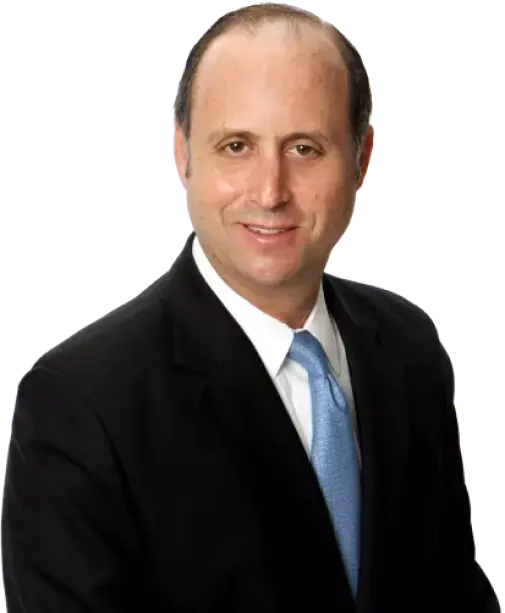
Michael Lore
Founding Attorney
Michael Lore is the founder of The Lore Law Firm with over 25 years of experience in labor and employment law. He handles cases ranging from unpaid overtime and class actions to executive contracts and personal injury matters in courts nationwide.
Read Full Bio