


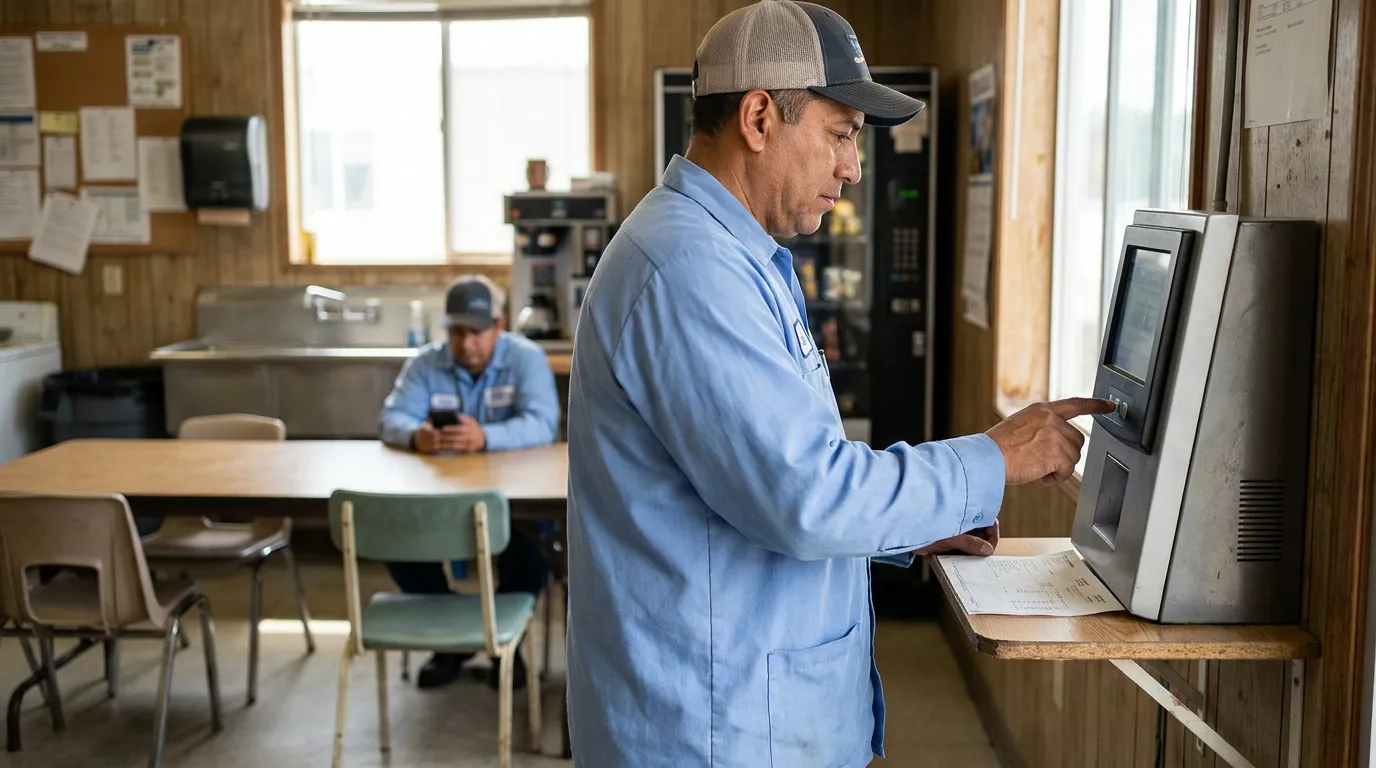
Why That Extra Hour of Break Pay May Be Bigger Than You Think
Key Takeaways: California break premiums must be paid at your “regular rate of compensation,” not just base hourly wage. Under Labor Code § 226.7, employers owe one additional hour of pay for each workday a required meal or rest break is not provided. The California Supreme Court’s Ferra v. Loews Hollywood Hotel decision held that “regular rate of compensation” equals “regular rate of pay” used for overtime, meaning non-discretionary bonuses, commissions, shift differentials, and piece-rate earnings can push your premium rate above base wage. Premiums can stack, a missed meal period and missed rest breaks in the same shift may each trigger a separate hour of pay, though statute limits this to one meal premium and one rest premium per workday. Because payroll systems that omit bonuses from premiums often understate overtime too, an underpayment can signal broader wage errors.
If your employer skipped your meal or rest break and paid you one extra hour at your plain hourly wage, that payment likely fell short. California law requires break premiums to be paid at your “regular rate of compensation,” which can exceed base hourly wage when you earn commissions, non-discretionary bonuses, shift differentials, or piece-rate pay.
If you suspect your employer shortchanged your break premiums or overtime, you do not have to sort it out alone. The Lore Law Firm helps hourly and non-exempt salaried workers across California review pay stubs and identify missing wages. Call 866-559-0400 or request a free case evaluation to discuss your situation.
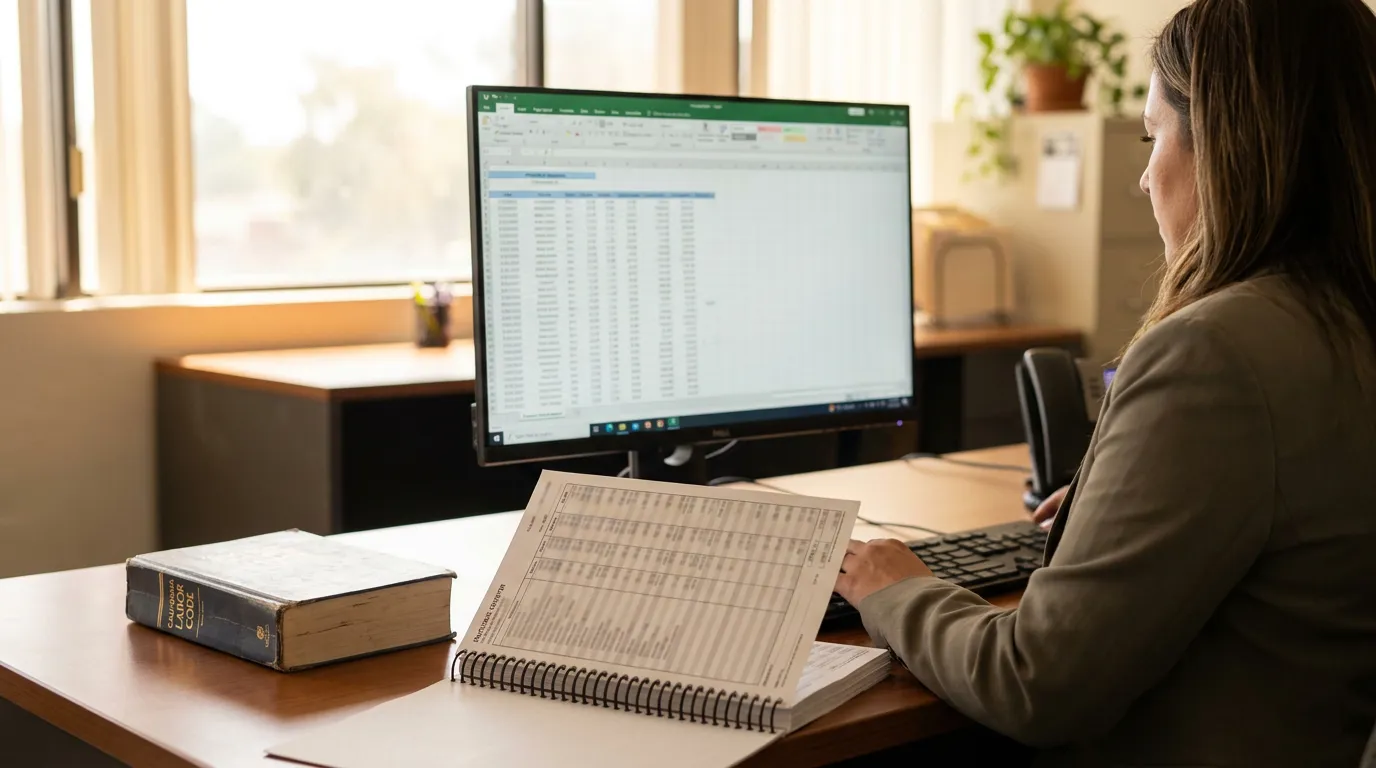
What California Law Requires for Missed Meal and Rest Breaks
Under California Labor Code § 226.7, when an employer fails to provide a legally required meal, rest, or recovery period, the employer must pay one additional hour at the employee’s regular rate of compensation for each workday the break is not provided.
Non-exempt employees in California are generally entitled to:
-
A paid 10-minute rest break for every four hours worked, or major fraction thereof
-
An unpaid, uninterrupted 30-minute meal break beginning no later than the end of the fifth hour of work, which may be waived by mutual consent when the workday is no more than six hours
-
A second 30-minute meal break beginning no later than the end of the tenth hour of work, which may be waived by mutual consent when the workday is no more than 12 hours and the first meal period was not waived
These rules apply to most non-exempt workers, but not everyone. Certain industries operate under different wage orders, some union employees have collective bargaining exceptions, and truly exempt employees are generally outside the break rules. Whether the rules apply depends on your actual duties and industry, not job title.
When a Break Counts as “Not Provided”
If you are not relieved of all duties or required to stay on-site during your 30-minute meal period, that time generally must be paid as hours worked, and the missed or interrupted meal period may trigger the one-hour premium. Limited on-duty meal periods can be lawful where work prevents relief from all duty and there is a written agreement the employee may revoke.
Premiums can stack within a single shift. If an eight-hour shift includes no meal break and no rest breaks, an employee may collect two hours of pay, one for the missed meal period and one for missed rest breaks. Courts have read § 226.7 to cap recovery at one premium hour per category per workday.
How Labor Code 226.7 Break Premium Regular Rate Rules Actually Work
The California Supreme Court settled the rate question in Ferra v. Loews Hollywood Hotel. The court held in 2021 that “regular rate of compensation” under § 226.7 means the same as “regular rate of pay” used to calculate overtime, rather than base hourly rate alone, and applied that holding retroactively.
The regular rate is a calculation, not a number on your offer letter. It blends your straight hourly earnings with other remuneration such as non-discretionary bonuses, commissions, and shift differentials. Our overview of what California employers must include in the regular rate of compensation walks through commonly omitted pay components.
A Simple Look at the Difference
Assume a warehouse worker earns $20 per hour and receives a $200 non-discretionary production bonus in a week with 40 hours worked.
|
Pay Component |
Base Hourly Only |
Regular Rate Method |
|---|---|---|
|
Hourly wage |
$20.00 |
$20.00 |
|
Bonus allocated per hour |
Not counted |
$5.00 |
|
Rate used for break premium |
$20.00 |
$25.00 |
|
Shortfall per premium hour |
$5.00 underpaid |
Correct |
Real calculations depend on actual pay records, how bonuses are earned and allocated, and which workweeks are involved. The precise method shifts depending on whether pay is piece-rate, commission-based, or built on multiple hourly rates.
💡 Pro Tip: Compare any “meal period premium” line on your wage statement to total weekly earnings divided by hours worked. If the premium matches base wage in a week when you also earned a bonus or commission, that is worth a closer look.
Why Break Premium Errors and Overtime Errors Usually Travel Together
When a payroll system excludes bonuses or commissions from one calculation, it often excludes them from the other. If your employer used an incomplete regular rate for premium pay, your overtime may be understated too.
Break premium pay is compensable wages under California wage law, not optional courtesy. The California Supreme Court held in Naranjo v. Spectrum Security Services that missed-break premiums are wages that must be reported on wage statements and paid promptly at separation. That classification supports the position that these amounts must be calculated correctly, paid, and reported accurately.
The premium is distinct from pay for hours worked. The additional hour of pay for a missed meal period is generally not counted as hours worked for purposes of calculating overtime. The premium is a separate remedy measured by the regular rate.
Pay Components Employers Commonly Leave Out
Non-discretionary bonuses tied to production, attendance, or safety are frequently omitted. Shift differentials for nights and weekends, commissions, and piece-rate earnings are also common omissions.
Not every payment belongs in the regular rate. Truly discretionary gifts, certain expense reimbursements, and some benefit contributions may be excluded. If you want a plain-language walkthrough of the math, our resource on calculating overtime explains how the pieces fit together.
Options for Pursuing Underpaid Break Premiums
Workers generally have more than one path. A wage claim filed with the California Labor Commissioner is an administrative process. A civil lawsuit is a separate court proceeding. Claims under the Private Attorneys General Act allow employees, after satisfying PAGA’s notice requirements, to seek civil penalties on the state’s behalf for violations relating to unpaid wages, overtime, and meal and rest breaks.
Deadlines matter, and they are not all the same. Claims for unpaid wages and break premiums are generally subject to a three-year limitations period, which may reach back four years when paired with an unfair competition claim. PAGA claims generally require notice within one year of the violation.
Tolling is limited and should not be assumed. Courts interpret tolling and delayed-discovery exceptions narrowly. Because timing rules are technical and fact-specific, waiting to seek information can narrow your options. The full text of the California Labor Code provisions is publicly available.
💡 Pro Tip: Save copies of wage statements, schedules, and any timekeeping app screenshots as you go. Employees who keep their own records are often in a stronger position when payroll data is incomplete or disputed.
What Practical Steps Can Strengthen a Break Premium Review
Start with documents. Gather several months of wage statements, including pay periods when you earned a bonus, commission, or differential. Look for whether any premium line item was paid, and at what rate.
Next, note the pattern of your breaks. Write down shifts where you worked through a meal period, stayed on-site, or were interrupted, along with dates and approximate times.
Finally, understand that outcomes depend on your specific facts. Job classification, industry wage orders, pay structure, and available records all influence whether a claim is viable and what it may be worth.
Frequently Asked Questions
1. Is my break premium supposed to be more than my hourly wage?
It may be. If your only compensation is a single hourly wage, the premium and hourly rate will match. If you also earn non-discretionary bonuses, commissions, shift differentials, or piece-rate pay, the regular rate is often higher, which means the premium should be higher too.
2. Do meal and rest breaks follow different premium rules?
The rate rule is the same. One additional hour of pay at the regular rate is owed for each workday a required meal or rest break is not provided. The underlying break entitlements differ, but the premium math follows the same formula.
3. Can I recover more than one hour of premium pay in a single day?
Potentially, yes. A missed meal period and missed rest breaks on the same shift may each trigger a separate one-hour premium, so an employee denied both could recover up to two hours, the daily maximum under § 226.7.
4. My employer says I chose to skip lunch. Does that end my claim?
Not necessarily. A voluntary, fully informed waiver can be lawful in situations the law allows, but pressure, understaffing, or workloads that make a break impractical are different. Employers must relieve you of all duty and make a compliant break available.
5. Does an underpaid break premium suggest other pay problems?
Often it does. If bonuses or commissions were left out of your premium rate, the same omission may have understated your overtime and made wage statements inaccurate. A review of several pay periods can reveal whether the issue is isolated or systemic.
The Bottom Line on Getting Paid Correctly for Missed Breaks
California requires break premiums to be paid at your regular rate of compensation, not simply base hourly wage. The labor code 226.7 break premium regular rate standard, confirmed by the California Supreme Court in Ferra v Loews, means bonuses, commissions, and differentials can raise what you are owed for every workday a required break was not provided. Because the premium is calculated per workday and can stack when both a meal and rest break are missed, even modest rate errors may grow into significant unpaid wages.
You do not need to have the calculations figured out before reaching out. The attorneys at The Lore Law Firm review pay records for workers nationwide and in California who suspect their overtime and break premiums were shorted. Call 866-559-0400 or start your free case review to learn what your options may be.

Michael Lore
Founding Attorney
Michael Lore is the founder of The Lore Law Firm with over 25 years of experience in labor and employment law. He handles cases ranging from unpaid overtime and class actions to executive contracts and personal injury matters in courts nationwide.
Read Full Bio